

















Day: August 7, 2023
-

How Can I Best Reach My Non-English Speaking Clients
Reaching non-English speaking clients effectively is essential for any business aiming to succeed in today’s global market. Not all clients respond similarly to marketing…
-
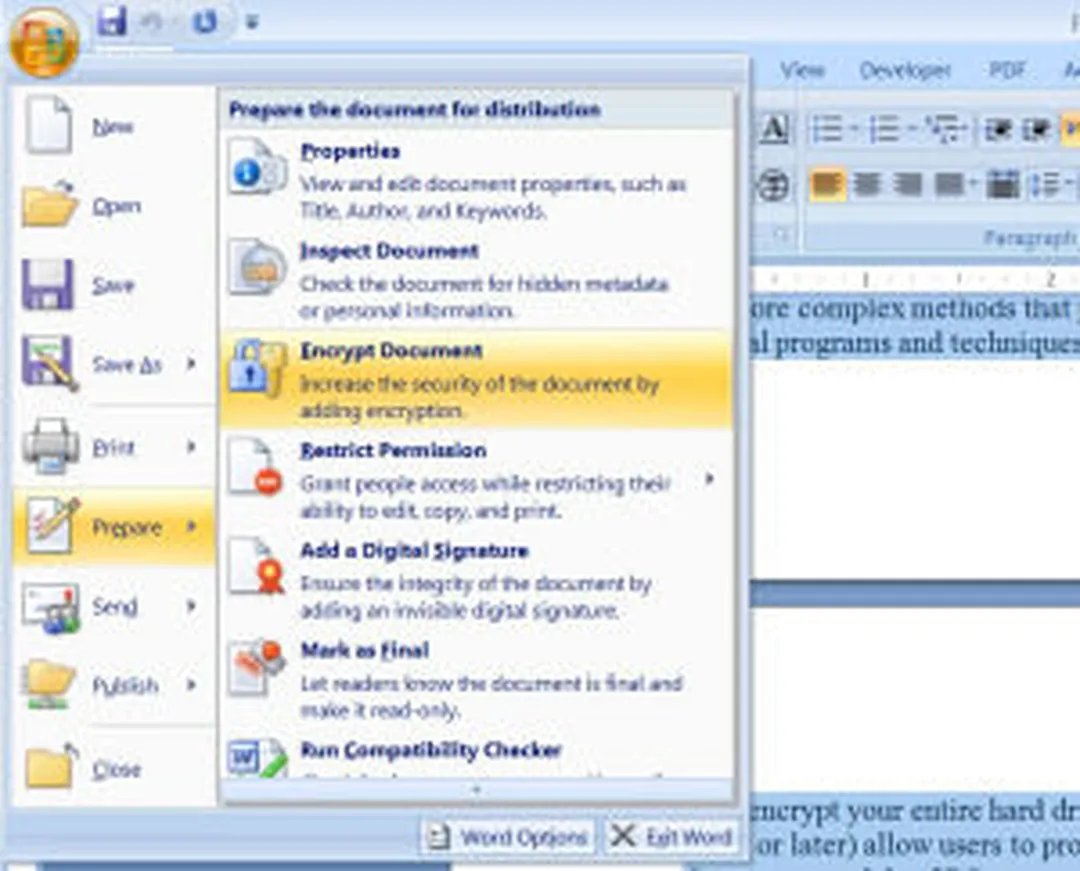
How Do You Encrypt Sensitive Files?
As translators, we often handle highly sensitive documents. Clients trust that their data will remain confidential, making it our responsibility to ensure every file…
-

Interpreting Indigenous Languages
Throughout the past several months, we have written several blog posts on the important relationship connecting language, society, and perception. A significant application of…
-

Tips for Translating and Interpreting Colloquial Expressions in Regional Language
Key Points Languages constantly evolve, and colloquial expressions in regional languages can vary significantly from one region to another. Translators and interpreters often face…
-

How to Market Energy Resources to People Who Don’t Speak Your Language
In the energy business, advertising is critical to receiving positive reception from your clients. However, the techniques used to market to certain clients may…
-

Getting Around Japan Part 3: Public Transportation
In Part 2, we took a look at one of the main forms of Japanese public transportation: trains. This time, we’ll examine another type…
-

Should I Study my Client’s Language?
As most people with careers in the marketing business will tell you, the most important aspect to consider when marketing your service or business…
-

Cultural Gaffes to Avoid when Doing Business in Latin America
Navigating Cross-Cultural Competence in Latin America for Business Success Latin America has become a key hub for international business, but its cultural differences from…
-

An Overview of Less Well-Known Sports in Other Countries
Key Points While sports such as football, soccer, and basketball dominate popular culture in the United States, many sports in other countries remain largely…
-

The Importance of a Quality Tagline to the Success of your Business
Why a Quality Tagline Matters for Your Business “That was easy,” “Magically delicious,” and “The happiest place on earth.” These well-known business taglines instantly…