Home / Solutions / Deaf & hard of hearing / ASL interpreting

Sign language interpreting services

TE empowers organizations to address the communication needs of their deaf and hard of hearing employees and clients — across every environment, from the classroom to the courtroom.

98.5%

Fill rate

20+

Years of service

NIC · CDI

Certified interpreters

SC:L

Legal specialists on staff

Where we work

Interpreting environments we serve

Our certified ASL interpreters are matched to the right setting — ensuring subject matter expertise, appropriate credentials, and communication alignment for every assignment.
Corporate & workplace
Meetings, town halls, HR conversations, performance reviews, training sessions, and day-to-day employee communication across any industry.
Educational
K–12 classrooms, post-secondary lectures, IEP and 504 meetings, campus events, and tutoring support. Inclusive access for all students.
Healthcare
Clinical appointments, ER visits, mental health sessions, surgical consents, and patient advocacy — where accuracy is critical and ADA compliance is mandatory.
Legal & court
Depositions, hearings, trials, arraignments, and attorney-client meetings. SC:L-certified legal specialist interpreters available for all judicial proceedings.
Community services
Government agencies, social services, housing offices, benefits appointments, and community events — bridging access in public and civic life.
Conference & platform
Keynotes, panel discussions, award ceremonies, and large-scale events. Team interpreting with 20–30 minute rotations ensures quality over extended sessions.

Expertise

Modality and technique

Deaf and hard of hearing individuals communicate in different ways. TE matches every assignment to the consumer’s preferred mode — not just whoever is available.

1
ASL interpreting

Full interpretation into and from American Sign Language — a complete, distinct language with its own grammar and syntax, not a manual version of English. The standard for most deaf consumers.

Most common
2
Transliteration (SEE / PSE)
Signing that follows English word order more closely. Preferred by some late-deafened individuals or consumers educated through oral programs. Common in K–12 and workplace settings.
Educational & workplace
3
Oral transliterating
Mouthing spoken English clearly and visibly — without voice or signs — to support consumers who rely on lip-reading. No ASL knowledge required of the consumer.
Lip-reading support
4
Tactile interpreting
For deaf-blind consumers who place their hands on the interpreter’s to receive signs through touch. Requires specialized training, sensitivity, and close coordination with the individual.
Deaf-blind services
5
Reverse interpreting & CDI teaming
Interpreting from ASL into spoken English, typically performed by or alongside a Certified Deaf Interpreter (CDI). Recommended for legal, mental health, and culturally complex settings.
High-stakes & legal

Delivery

How we deliver

Whether your team is in-office, in a clinic, or spread across locations, TE has a delivery format to match.

On-site interpreting

A TE interpreter is physically present at your location. Best for high-stakes, emotionally sensitive, or long-duration assignments — legal hearings, clinical settings, and platform events.

TE Bridge — video remote interpreting (VRI)

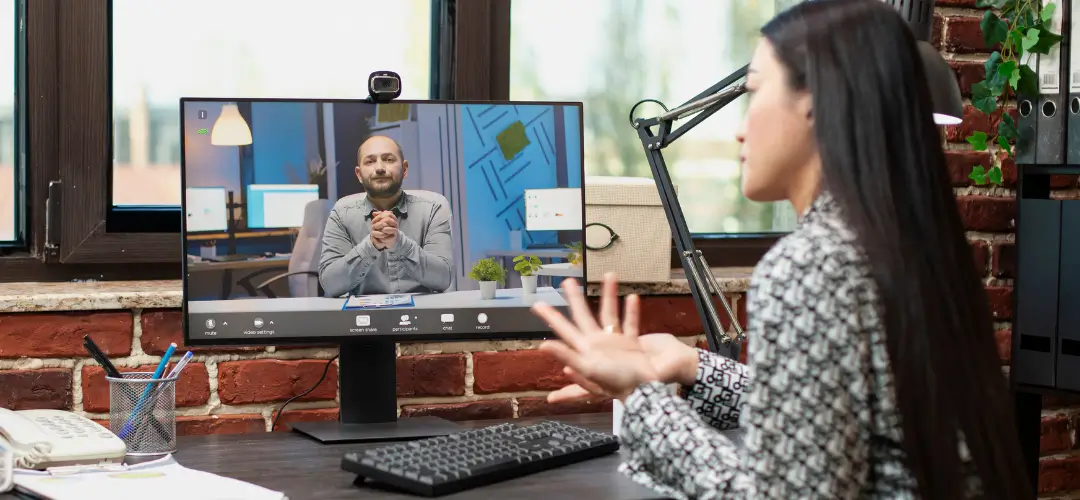
Our TE Bridge VRI platform connects a remote interpreter via video — fast to schedule, effective in rural or underserved areas, and available where on-site coverage is hard to find.

Hybrid

One interpreter on-site, one joining remotely — rotating as a team. Ideal for multi-day conferences, large events, and distributed workforces where both in-person and virtual attendees need coverage.

Certifications

Credentials that matter

All TE interpreters are certified, vetted, and matched with subject-matter expertise. We consistently achieve a 98.5%+ fill rate — even for urgent and emergency requests.
NIC
National Interpreter Certification
RID’s core credential — the professional baseline for all practicing ASL interpreters.
CDI
Certified Deaf Interpreter
Deaf interpreters who work alongside hearing interpreters for culturally complex or high-stakes assignments.
SC:L
Specialist certificate: legal
Specialized for courtrooms, depositions, and legal proceedings requiring precise legal terminology.

Case studies

Organizations that rely on TE

NASA

IRS

U.S. Army

USAF

HHS

USAF & DF

"Translation Excellence stands out as truly the best of the best. The staff is friendly, professional, and easy to work with. I am honored to work with such a dynamic team."
Tina Bennett — captioner

Our team

Meet the team

Our interpreting coordinators and staff interpreter ensure the right professional is matched to every assignment — quickly and reliably.
Emma Newcity
ASL/CART Scheduler
Melissa Halverson
ASL/CART Scheduler
Catherine Diaz
Director of CART and Captioning Services
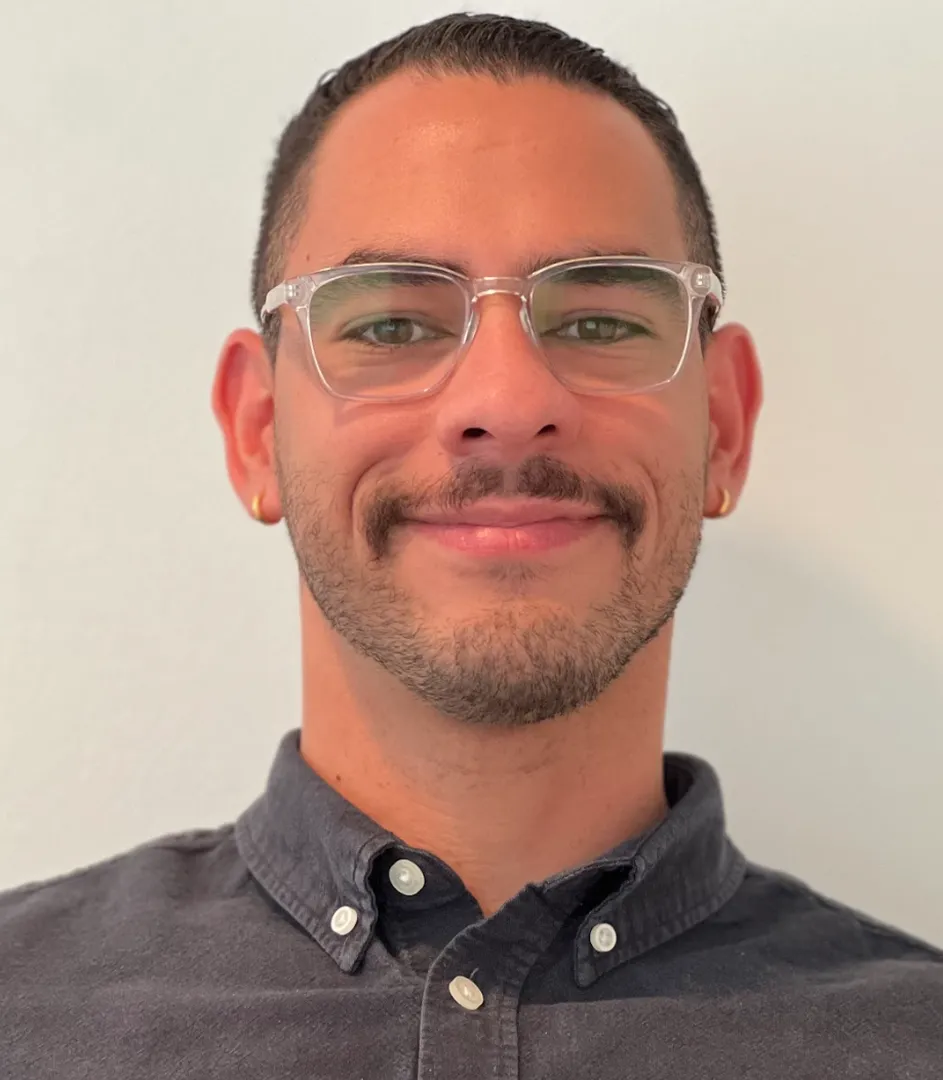
Luis Torres-Muñoz
Certified ASL Staff Interpreter/Scheduling Team Manager
Rebecca Cornell
Scheduling Team Manager
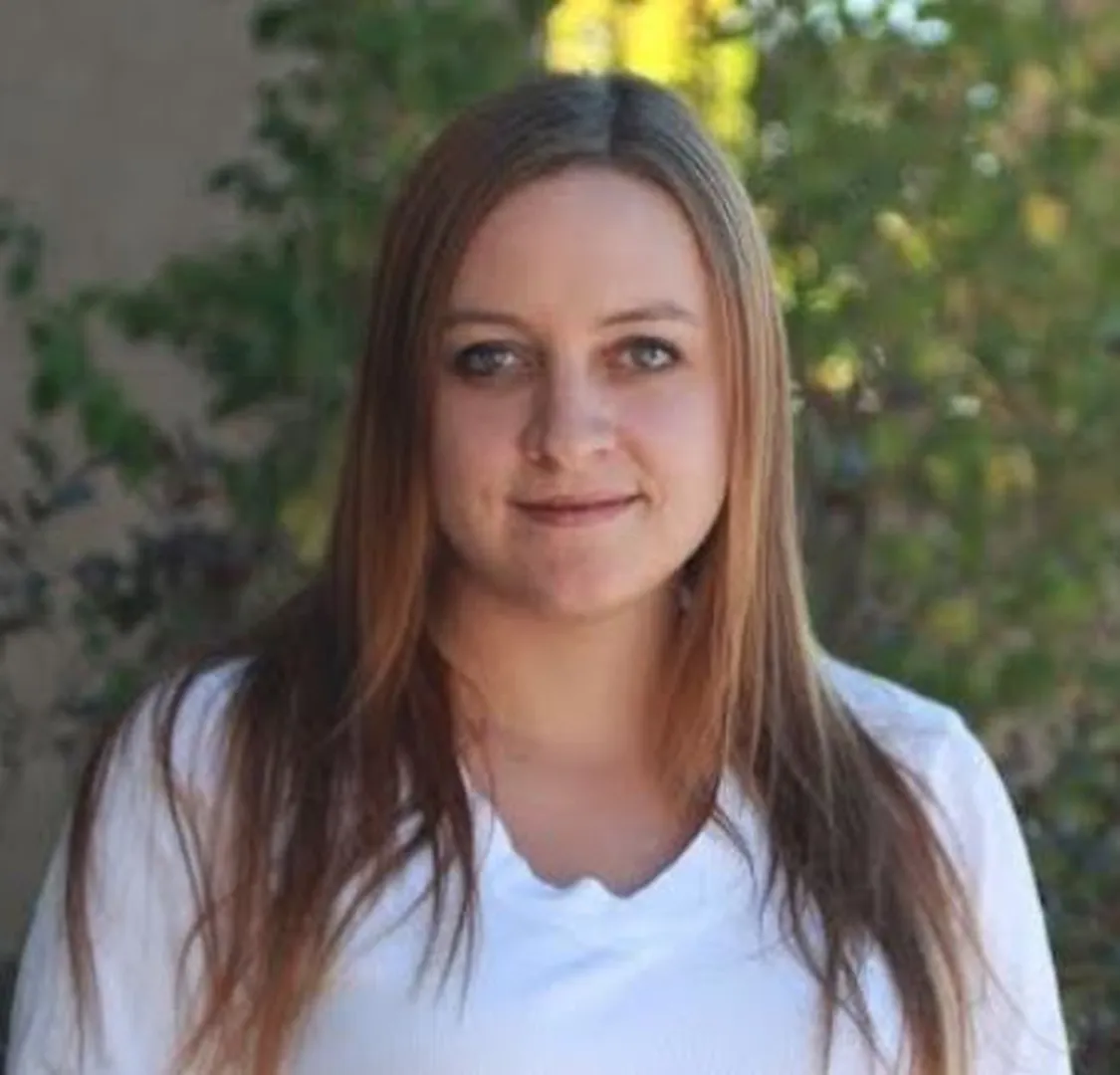
Jennifer Smith
ASL Scheduler
Serafina Paladino
Security Specialist
Tenja Smith
ASL Scheduler
Replace with photo
Emma Newcity
ASL/CART scheduler
Replace with photo
Melissa Halverson
ASL/CART scheduler
Replace with photo
Luis Torres-Muñoz
Certified ASL staff interpreter / scheduling team manager
Replace with photo
Rebecca Cornell
Scheduling team manager
Replace with photo
Jennifer Smith
ASL scheduler
Replace with photo
Serafina Paladino
Security specialist
Replace with photo
Tanja Smith
ASL scheduler

FAQs

Frequently asked questions about CART

Are your ASL interpreters certified?
Yes. All TE interpreters hold active RID certifications including NIC, CDI, and SC:L. Certifications are verified and maintained on an ongoing basis, and interpreters are matched based on both credential and setting expertise.
ASL is a complete, distinct language with its own grammar and syntax — not a manual version of English. Transliteration (SEE/PSE) follows English word order and is preferred by some late-deafened individuals or consumers educated in oral or English-based programs. TE matches the interpreter to the consumer’s communication preference.
Yes. TE Bridge, our Video Remote Interpreting (VRI) platform, connects a qualified interpreter via video for situations where on-site coverage isn’t available or practical. VRI is effective across medical, corporate, and educational settings and can be deployed rapidly for urgent requests.
A CDI is a deaf or hard of hearing interpreter certified by RID who typically works as part of a team with a hearing interpreter. CDIs are strongly recommended for legal proceedings, mental health sessions, highly technical content, or when the consumer uses non-standard communication such as home signs or a foreign sign language.
In-person interpreting places a TE interpreter physically at your location. It is the recommended option for high-stakes assignments such as court proceedings, complex medical consultations, mental health settings, and multi-day conferences requiring team interpreter rotations. On-site presence allows for richer environmental awareness and full non-verbal cue access.

Ready to schedule an interpreter?

One click or call. TE arranges a qualified ASL interpreter with a single request.
Translation Excellence logo
Privacy Overview

This website uses cookies so that we can provide you with the best user experience possible. Cookie information is stored in your browser and performs functions such as recognising you when you return to our website and helping our team to understand which sections of the website you find most interesting and useful.