Home / Solutions / Accessibility / CART captioning

CART captioning services

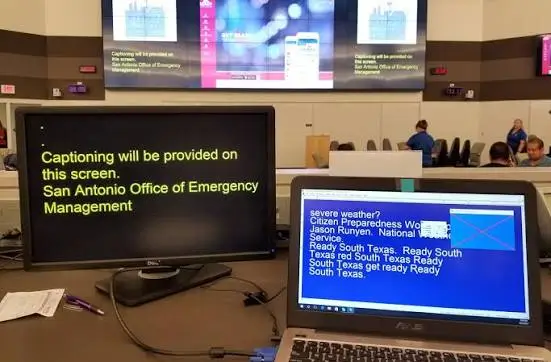
Communication Access Realtime Translation delivers word-for-word text of spoken language as it happens — in classrooms, boardrooms, courtrooms, and beyond. CART serves a much broader audience than most organizations expect.
99%+

Accuracy rate

<3s

Real-time lag

CCP · RMR

Certified captioners

On-site & remote

Delivery options

Audience

CART isn't just for deaf individuals

CART benefits anyone for whom spoken language creates a communication barrier — a population far broader than traditional accessibility programs recognize.
ear
Deaf & hard of hearing
The primary user group. CART provides verbatim access to spoken communication in real time, without requiring a sign language interpreter.
Auditory processing disorders
Hearing is intact, but the brain struggles to decode speech in real time. The written text provides a critical second channel for comprehension.
Non-native English speakers
Real-time text reinforces comprehension in lectures, meetings, and events — especially when accents, speed, or technical vocabulary make listening alone insufficient.
Learning & cognitive disabilities
Reading along while listening reinforces retention and processing for students and professionals with dyslexia, ADHD, or other cognitive differences.
Loud or noisy environments
Industrial sites, outdoor events, and high-ambient-noise venues where clear audio is not possible. CART provides a reliable communication channel regardless of conditions.
Accessibility by default
Organizations increasingly deploy CART proactively — for DEI initiatives, ADA compliance, and general audience engagement — rather than waiting for individual accommodation requests.

Where we work

Environments we serve

TE captioners are matched by setting — bringing the right vocabulary, speed, and experience to every assignment.
Higher education
Lectures, seminars, and campus events. Frequently required under ADA Section 504 for students with documented hearing or cognitive accommodation needs.
Corporate & events
Town halls, all-hands meetings, training, and corporate events. CART also provides a real-time transcript record that can be repurposed after the event.
Healthcare
Appointments, patient education sessions, and care conferences where text reinforces critical health information and ensures informed consent.
Government & legal
Public hearings, legislative sessions, depositions, and proceedings where verbatim access and a contemporaneous record are both required.
Broadcast & live streaming
Live television, webcasts, and streaming events requiring real-time captions. CBC-certified captioners meet broadcast-grade accuracy and latency standards.
Conferences & conventions
Multi-track events, keynotes, and panel discussions serving mixed audiences including international attendees and general accessibility-forward organizers.

Why CART

CART vs. automated captions

AI captioning tools have their place — but when accuracy, ADA defensibility, and subject matter complexity matter, human CART is the professional standard.
CART
Recommended
Human stenographer
AI / automated captions
Machine-generated

Delivery

How we deliver

TE offers CART in every format — physically present, fully remote, or broadcast-grade for live streaming and television.

On-site CART

A TE captioner is physically present at your location, capturing speech directly. Best for high-volume events, legal proceedings, and settings requiring the lowest possible latency.

Remote CART

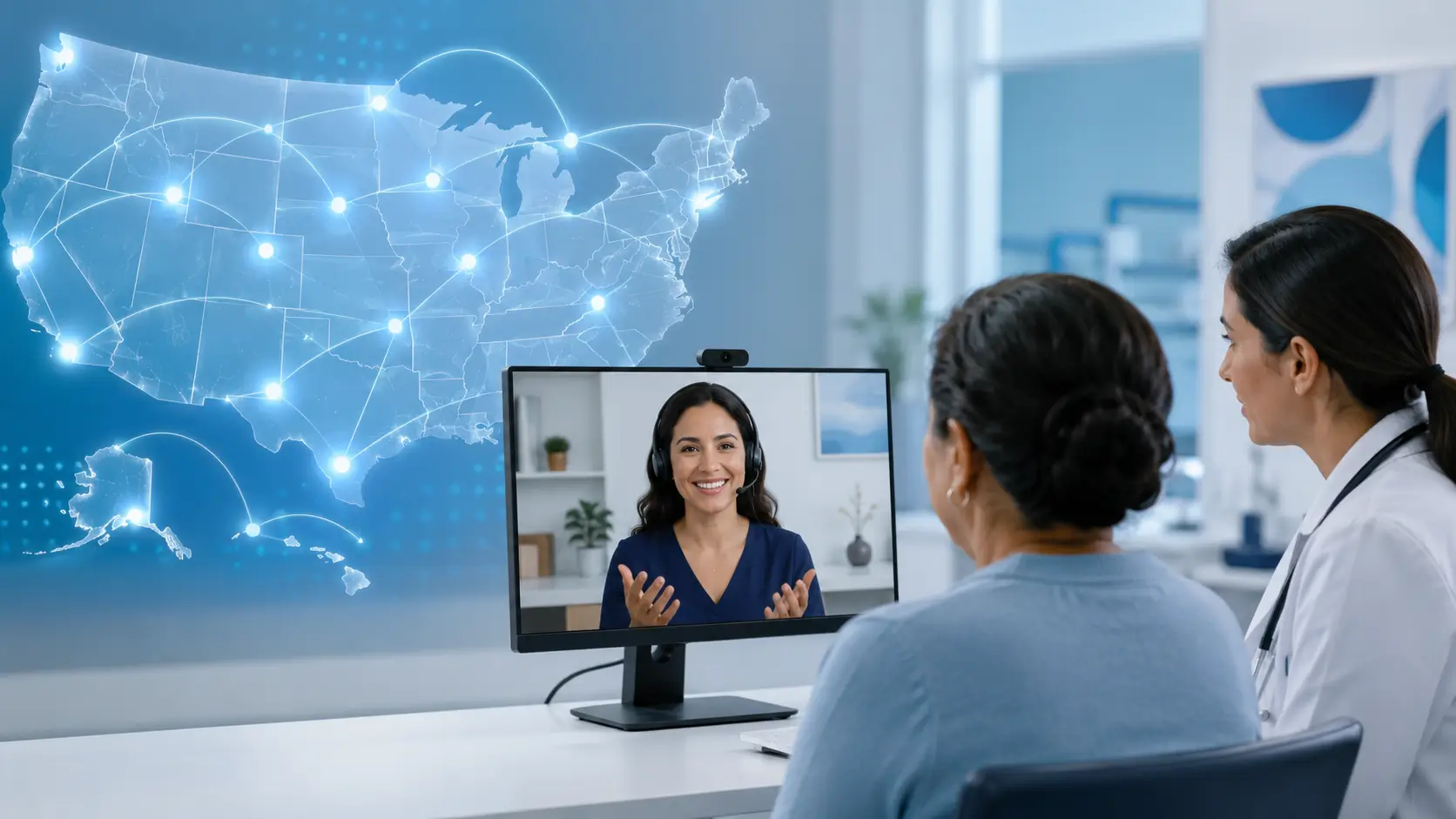
The captioner works off-site — audio streams to them and text streams back to the consumer’s screen or a display in the room. Effective, fast to schedule, and geographically unlimited.

Broadcast & live streaming

CBC-certified captioners deliver broadcast-grade accuracy for live TV, webcasts, and streaming events where FCC compliance or professional production standards apply.
Certifications

Credentials that matter

TE captioners hold active NCRA certifications and are matched based on domain expertise, delivery format, and speed requirements.
CCP
Certified CART provider
NCRA’s dedicated CART credential — the professional standard for real-time captioning in educational, corporate, and community settings.
RMR
Registered merit reporter
High-speed, high-accuracy certification requiring 95%+ accuracy at 200 wpm or higher. The gold standard for demanding or fast-paced assignments.
CBC
Non-native English speakers
Specialized for live television, webcasts, and streaming events requiring broadcast-grade accuracy and compliance with FCC captioning standards.

Case studies

Organizations that rely on TE

NASA

IRS

U.S. Army

USAF

HHS

USAF & DF

"Translation Excellence stands out as truly the best of the best. The staff is friendly, professional, and easy to work with. I am honored to work with such a dynamic team."
Tina Bennett — captioner

Our team

Meet the team

Our CART scheduling team and director ensure every assignment is matched to the right captioner — by setting, domain, and delivery format.
Replace with photo
Registered merit reporter
ASL/CART scheduler
Replace with photo
Melissa Halverson
ASL/CART scheduler
Replace with photo
Catherine Diaz

Director of CART and captioning services

Melissa Halverson
ASL/CART Scheduler
Catherine Diaz
Director of CART and Captioning Services

FAQs

Frequently asked questions about CART

What is CART and how does it work?
CART stands for Communication Access Realtime Translation. A trained stenographer listens to spoken language and captures it using a stenotype machine, which uses a phonetic shorthand system that can reach 225+ words per minute. Specialized software translates the strokes into readable text that appears on a screen in near real-time — typically within 2–3 seconds of the spoken word.
CART benefits anyone for whom spoken language creates a barrier: people with auditory processing disorders, non-native English speakers, individuals with learning or cognitive disabilities (ADHD, dyslexia), people in noisy environments, and organizations that want accessible events as a matter of standard practice rather than reactive accommodation.
AI tools average 80–85% accuracy and frequently fail on accents, technical terminology, multiple simultaneous speakers, and proper nouns. Human CART achieves 99%+ accuracy, produces a verbatim record that is ADA-defensible, and is not thrown off by domain-specific vocabulary. For anything where accuracy matters — healthcare, legal, education — CART is the appropriate standard of care.
Yes. Remote CART is one of the most common delivery formats. The captioner works off-site — the event’s audio is transmitted to them via phone, computer, or dedicated audio bridge, and the real-time text streams back to the consumer’s personal device or a display in the room. Remote CART eliminates geographic constraints and is particularly effective for scheduled events, classes, and recurring meetings.
Under the ADA and Section 504, organizations must provide “effective communication” for individuals with hearing disabilities — and the individual may request their preferred accommodation, which can include CART. AI captions alone are generally not considered effective communication under current DOJ guidance when a more accurate option is available. TE recommends consulting legal counsel for specific compliance questions, but the professional standard for high-stakes settings is human CART.

Ready to schedule a captioner?

One click or call. TE arranges a certified CART provider with a single request.
Translation Excellence logo
Privacy Overview

This website uses cookies so that we can provide you with the best user experience possible. Cookie information is stored in your browser and performs functions such as recognising you when you return to our website and helping our team to understand which sections of the website you find most interesting and useful.