
Key Points:
- Introduction
- Understanding Hispanic Heritage Month
- The Growing Influence of the Hispanic Audience
- Why Multilingual Marketing Is Rising
- Hispanic Marketing: Beyond Language
- How Hispanic Heritage Month Drives Multilingual Strategies
- Key Strategies for Multilingual Hispanic Marketing
- The Role of Language in Building Trust
- Challenges in Multilingual Marketing
- Why Hispanic Heritage Month Matters for Brands
Introduction
Every year, hispanic heritage month, celebrated from September 15 to October 15, highlights the rich culture, history, and contributions of Hispanic communities. However, beyond cultural celebration, this month has become a powerful moment for brands to rethink their communication strategies—especially in the context of multilingual marketing. As businesses expand globally and audiences become more diverse, language is no longer just a communication tool; it is a strategic asset. The rise of hispanic marketing reflects a broader shift in how companies approach diverse audiences. The Hispanic audience is one of the fastest-growing and most influential consumer groups, with increasing purchasing power and cultural impact. Brands that recognize this shift are moving beyond traditional marketing and embracing multilingual strategies that reflect cultural authenticity, inclusivity, and engagement.
This blog explores how hispanic heritage month is shaping the future of multilingual marketing, why the Hispanic audience is central to this transformation, and how businesses can adapt to stay competitive in an increasingly diverse marketplace.
Understanding Hispanic Heritage Month
Hispanic Heritage Month is more than a symbolic celebration—it represents a deep acknowledgment of the cultural, social, and economic contributions of Hispanic communities. The observance begins on September 15, marking the independence anniversaries of several Latin American countries, and continues through October 15. Over time, this period has evolved into a significant cultural and commercial opportunity, gaining attention from brands, media, and institutions worldwide. Businesses, organizations, and governments use this month to connect with Hispanic communities, celebrate diversity, and promote inclusivity through various campaigns and initiatives. However, simply acknowledging the month is no longer enough in today’s competitive and socially aware environment.
Modern consumers expect brands to demonstrate genuine understanding, cultural sensitivity, and long-term commitment rather than short-term engagement. This shift has pushed companies toward more thoughtful and strategic hispanic marketing approaches, where language, culture, and identity are central elements. As a result, brands are increasingly focusing on building authentic relationships that extend beyond this month and resonate with the Hispanic audience throughout the year.
The Growing Influence of the Hispanic Audience
The Hispanic audience is not only growing rapidly in size but also gaining significant influence across economic, cultural, and digital spaces. In the United States alone, there are over 62.5 million Hispanics, representing nearly 19% of the population, with purchasing power reaching trillions of dollars. This makes them one of the most impactful consumer groups in the market today. What sets this demographic apart is that it is relatively young, highly active in digital environments, and deeply engaged with media, brands, and social platforms. At the same time, the Hispanic audience is culturally diverse and often multilingual, reflecting a blend of traditions, languages, and identities. Research shows that language plays a crucial role in building meaningful connections with this audience, as a large percentage of Hispanics speak Spanish at home while also using English in daily life. Many consumers prefer bilingual content that reflects both languages, allowing them to relate more personally to brand messaging.
This creates a strong case for multilingual marketing, where businesses communicate in more than one language to foster trust, improve engagement, and build stronger emotional connections with their audience.
Why Multilingual Marketing Is Rising

- Globalization Impact: The rise of multilingual marketing is directly linked to globalization and expanding international markets.
- Diverse Audiences: As demographics shift, businesses can no longer rely on one-size-fits-all messaging.
- Strategic Adaptation: Companies must adapt communication strategies to reflect different languages, cultures, and values.
- Language Representation: The Hispanic audience wants to see their language represented in marketing campaigns.
- Cultural Relevance: Audiences expect messaging that reflects their cultural identity and experiences.
- Audience Recognition: Feeling recognized and valued plays a key role in building trust with Hispanic consumers.
- Bilingual Preference: Studies show that many Hispanics prefer content in both English and Spanish.
- Consumer Insight: Around 84% consider it important to see ads in both languages.
- Key Takeaway: Multilingual marketing is not just about translation—it is about creating meaningful connections.
Hispanic Marketing: Beyond Language
While language is an important component of effective communication, successful hispanic marketing goes far beyond simply translating content from one language to another. Culture plays a central role in shaping how messages are perceived, understood, and accepted by the Hispanic audience. Campaigns that truly resonate are those that reflect cultural values, traditions, and shared experiences, often emphasizing themes such as family, community, and authentic storytelling. These elements help create an emotional connection that goes deeper than language alone. Research shows that a significant majority of Hispanics appreciate brands that actively showcase and respect their culture in advertising, highlighting the importance of cultural representation. However, achieving this requires more than surface-level efforts. Brands must avoid stereotypes, take the time to understand cultural nuances, and engage with communities in a genuine and respectful way. By doing so, they can build trust, strengthen relationships, and create marketing strategies that are not only inclusive but also impactful and memorable in the long term.
The Problem with Performative Marketing
One of the biggest challenges in hispanic marketing is performative marketing—campaigns that appear inclusive on the surface but lack genuine understanding and long-term commitment. Many brands limit their efforts to short-term initiatives, often engaging only during Hispanic Heritage Month, while neglecting consistent communication throughout the rest of the year. In some cases, they rely on superficial cultural symbols or generic messaging that does not truly reflect the values, traditions, or lived experiences of the Hispanic audience. As a result, these efforts fail to create meaningful connections or build trust with the community. This approach often leads to skepticism and distrust, as modern consumers are increasingly aware of whether a brand’s intentions are authentic or purely promotional. Research indicates that consumers are far more likely to support brands that consistently demonstrate cultural awareness and represent their values across all interactions, not just during specific campaigns or observances. To succeed in today’s competitive environment, brands must move beyond temporary marketing tactics and adopt sustained, relationship-driven strategies that prioritize authenticity, inclusivity, and year-round engagement.
How Hispanic Heritage Month Drives Multilingual Strategies
Hispanic Heritage Month serves as a powerful catalyst for change in modern marketing strategies, encouraging brands to move beyond generic messaging and adopt more inclusive, audience-focused approaches. During this period, companies are prompted to reflect on how they communicate with diverse communities, particularly the Hispanic audience, and to develop campaigns that are both culturally relevant and linguistically inclusive. This often involves launching bilingual campaigns, highlighting authentic Hispanic voices and stories, and collaborating with Hispanic creators and influencers who bring credibility and relatability to brand messaging. However, the most successful brands understand that this month should not be treated as a one-time opportunity. Instead, they use it as a foundation to build long-term multilingual marketing strategies that continue throughout the year. By doing so, they demonstrate genuine commitment, strengthen relationships with their audience, and create campaigns that resonate on a deeper, more meaningful level.
Key Strategies for Multilingual Hispanic Marketing
- Bilingual Content Creation:
Creating content in both English and Spanish allows brands to reach a wider audience and improve engagement.
- Cultural Localization:
Localization ensures that content reflects cultural values, not just language.
- Community Engagement:
Brands should actively engage with Hispanic communities through events, partnerships, and social initiatives.
- Influencer Collaboration:
Working with Hispanic influencers helps build authenticity and trust.
- Data-Driven Marketing:
Using data to understand audience behavior allows for more effective campaigns.
The Role of Language in Building Trust
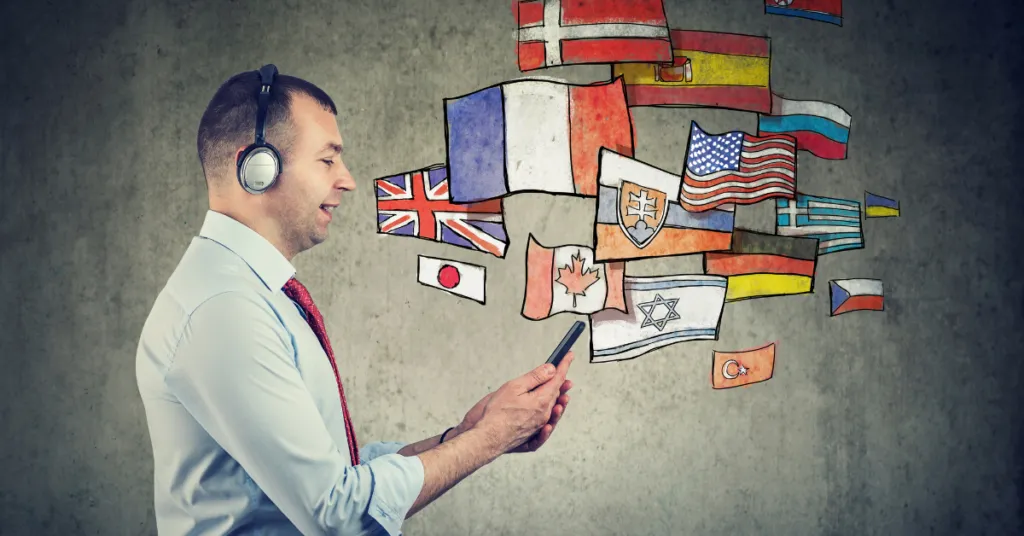
Language is one of the most powerful tools in marketing, especially when it comes to connecting with diverse audiences. For the Hispanic audience, language is deeply tied to identity, culture, and a sense of belonging, making it a critical factor in how brands are perceived. Using the right language not only helps convey a message clearly but also builds trust, increases engagement, and strengthens brand loyalty over time. When brands communicate in a way that reflects both English and Spanish usage, they create a more personalized and inclusive experience that resonates with bilingual consumers. Research shows that Hispanics are more likely to support brands that actively engage with their culture and language, highlighting the importance of culturally aware communication. This is why professional language services, including translation and localization, have become essential components of modern marketing strategies. By investing in accurate and culturally relevant language solutions, brands can establish stronger connections, enhance credibility, and create lasting relationships with their audience.
Related: The Relationship between Language and Culture
Multilingual Marketing in the Digital Age
Digital transformation has significantly accelerated the need for multilingual marketing, as social media, streaming platforms, and online content have created new opportunities to reach diverse audiences across different regions and languages. The Hispanic audience is especially active in digital spaces, with high engagement on streaming services, social media networks, and other online platforms, making it essential for brands to adapt their communication strategies accordingly. To effectively connect with this audience, businesses must create multilingual digital content, optimize their websites for different languages, and implement localized social media strategies that reflect cultural relevance and user preferences. Additionally, digital platforms enable more personalized and targeted campaigns, allowing brands to deliver tailored messages that resonate more deeply with specific audience segments. As a result, multilingual marketing has become more efficient, data-driven, and impactful, helping brands improve engagement, strengthen connections, and stay competitive in an increasingly digital and global marketplace.
Challenges in Multilingual Marketing
While the benefits are clear, multilingual marketing also presents challenges:
- Language Complexity:
Different dialects and regional variations can affect communication.
- Cultural Differences:
Understanding cultural nuances requires research and expertise.
- Resource Investment:
Developing multilingual campaigns requires time and budget.
- Consistency:
Maintaining consistent messaging across languages can be difficult.
Why Hispanic Heritage Month Matters for Brands
Hispanic Heritage Month is more than just a marketing opportunity—it serves as an important reminder of the value of inclusion, representation, and cultural awareness in today’s diverse marketplace. For brands, it provides a meaningful chance to connect with diverse audiences, particularly the Hispanic audience, in a way that reflects respect and understanding. It also creates opportunities to build long-term relationships by engaging with communities through authentic storytelling and culturally relevant campaigns. Additionally, this month acts as a platform for brands to showcase their commitment to cultural understanding and inclusive communication. When approached thoughtfully, it can significantly enhance brand reputation, strengthen customer loyalty, and improve overall engagement. Beyond short-term campaigns, brands that invest in multilingual marketing during this period can create lasting impressions and establish trust with their audience. By maintaining consistency and authenticity, companies can turn this observance into a long-term strategy that supports sustainable growth and deeper connections.
The Economic Power of the Hispanic Market
The economic impact of the Hispanic audience cannot be ignored. With trillions in purchasing power, this demographic plays a major role in shaping market trends. Despite this, many brands still underinvest in hispanic marketing, allocating only a small percentage of their budgets to this segment. This gap presents a significant opportunity for businesses willing to invest in multilingual strategies.
FAQs
Q1: Why is Hispanic Heritage Month important for marketing?
A1: It helps brands connect with the Hispanic audience through cultural and multilingual marketing strategies.
Q2: What is multilingual marketing?
A2: Multilingual marketing involves communicating in multiple languages to engage diverse audiences effectively.
Q3: Why is the Hispanic audience important for brands?
A3: The Hispanic audience has strong purchasing power and plays a major role in market growth.
Q4: What is hispanic marketing?
A4: Hispanic marketing focuses on culturally relevant campaigns that resonate with Hispanic communities.
Q5: How does language impact marketing success?
A5: Language builds trust, improves engagement, and strengthens connections with diverse audiences.
Conclusion
The rise of multilingual marketing is closely tied to the growing influence of the Hispanic audience and the cultural significance of hispanic heritage month. As businesses navigate an increasingly diverse world, they must move beyond traditional marketing approaches and embrace strategies that reflect language, culture, and identity. Hispanic marketing is no longer a niche—it is a necessity for brands seeking growth, relevance, and long-term success. By investing in multilingual communication and authentic engagement, companies can build meaningful connections and create lasting impact in a global marketplace.
Call to Action
Looking to connect with the Hispanic audience through effective multilingual marketing? At Translation Excellence, we provide professional language services that help your brand communicate with accuracy, cultural relevance, and impact. From translation and localization to interpretation, our experts ensure your message resonates across languages and cultures. Partner with us today to elevate your marketing strategy and reach a broader, more diverse audience with confidence.
Related: Certified Translation Services Support International Marketing Campaigns