



Key Points:
- Introduction
- Shenzhen’s Plan to Correct Mistranslation and Mistranslated Signs
- How Mistranslation Impact Tourism and Business
- Why Accurate Public Sign Translation Matters
Table of Contents
Introduction
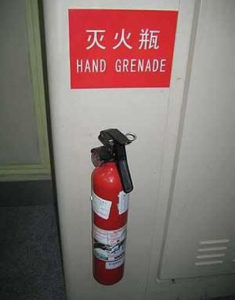
Anyone who has traveled to a foreign country is familiar with the mild amusement—or sometimes confusion—that comes from encountering public signs that are horribly mistranslated. From menus and street signs to instruction manuals, examples of mistranslation mistakes can be found everywhere, inspiring websites, social media pages, and even books dedicated to showcasing such errors. Terms like Spanglish, Engrish, and Franglish have been coined to describe these humorous cross-language blunders. Some of the funniest instances, often labeled as mistranslation examples, include signs with unintended meanings, awkward phrasing, or instructions that make little sense. Recognizing the frustration and hilarity these mistranslated signs can cause, one country has decided to take action, turning to its most widely available resource—the public—to help correct and improve translations. This clever approach not only fixes errors but also engages citizens in creating more accurate, clear, and culturally appropriate messages.
Shenzhen’s Plan to Correct Mistranslation and Mistranslated Signs
Shenzhen, a major city in southern China, has launched an innovative campaign encouraging citizens to report mistranslation errors and mistranslated signs on public displays. The city aims to ensure that public signage is accurate and clear, especially in English, as part of its broader plan to become a truly international city. Residents who identify incorrect translations can submit documented photos or detailed reports, and in return, they are rewarded with certificates, English study books, free English training, or other incentives. The top ten contributors even receive invitations to attend seminars highlighting Shenzhen’s ongoing efforts to improve public signage. This initiative not only corrects language errors but also actively involves the community, fostering awareness about proper translation and emphasizing the importance of clear communication in a globalized urban environment. By turning a potential problem into an educational and collaborative effort, Shenzhen demonstrates how cities can address translation challenges while engaging citizens in a fun and meaningful way.
How Mistranslation Impact Tourism and Business
- Business impact: Clear and accurate signage promotes a professional image, encouraging tourism and business engagement in the city.
- Previous efforts: Other programs have been started across China to correct mistranslation errors, but they achieved varying degrees of success.
- Focus on Shenzhen: Officials are now concentrating on their city to ensure clearer signage and communication for residents and visitors.
- Tourism support: The initiative aims to benefit Shenzhen’s growing tourist trade, which sees over 7.8 million trips annually.
- Foreign population: Shenzhen also considers its permanent foreign population of more than 20,000 citizens, making accurate translations essential for daily life.
- Improved communication: Correcting translation mistakes helps prevent misunderstandings, enhancing the experience for international visitors.
Why Accurate Public Sign Translation Matters
Ensuring that public signs are translated correctly is essential for clear international communication. Many funny translation errors may seem harmless, but they can cause confusion for tourists, lead to misunderstandings, or even create embarrassing situations. With the rapid growth of global tourism and business expansion, accurate translations are crucial to providing a welcoming environment for visitors, maintaining a city’s professional image, and avoiding unnecessary confusion.
Mistranslation Example:
A restaurant once translated the phrase “Free-range chicken” as “Chicken runs freely,” which confused visitors and became a humorous example of how inaccurate translation can alter meaning. Shenzhen’s initiative demonstrates how involving citizens to identify such errors can improve public signage and set a positive example for other cities worldwide.
FAQs
Q1: What is a mistranslation?
A1: A mistranslation occurs when text or speech is translated incorrectly, resulting in a meaning that differs from the original.
Q2: What are mistranslated signs?
A2: Mistranslated signs are public signs, menus, or notices where the translation into another language is inaccurate, often causing confusion or amusement.
Q3: What are some examples of funny translations?
A3: Funny translations include errors that produce humorous, awkward, or absurd meanings, such as literal translations that ignore context or idioms.
Q4: Can you give some mistranslation examples?
A4: Mistranslation examples include signs like “Slip Carefully” instead of “Caution: Wet Floor” or “Chicken runs freely” for “Free-range chicken.”
Q5: Where can I find 40 hilarious translation fails from different languages?
A5: Lists like 40 hilarious translation fails from different languages compile some of the funniest and most shocking mistranslation errors found in public signs, packaging, and menus worldwide.
Conclusion
Mistranslated signs can lead to confusion, cultural misunderstandings, and even humorous situations. However, cities like Shenzhen are taking proactive steps to ensure translation accuracy in public spaces. By involving citizens in reporting errors, they are improving communication and making their city more welcoming for international visitors. This initiative highlights the importance of accurate translations, not only for clarity but also for fostering a professional and inclusive environment. Accurate public signage also reflects a city’s commitment to cultural sensitivity and attention to detail, which enhances its reputation on the global stage and helps residents and tourists navigate daily life with confidence.
Call to Action
Don’t let mistranslations create confusion or embarrassment for your business, organization, or public space. At Translation Excellence, our professional translators and interpreters ensure every sign, document, and public communication is accurate, culturally appropriate, and easy to understand. From correcting mistranslated signs to providing precise multilingual solutions, we help you communicate clearly with global audiences. Protect your brand, enhance your city or organization’s reputation, and provide visitors with a seamless experience. Contact with us today and make every message count, no matter the language.
Related: Common Translation Mistakes| Examples and Ways to Avoid Them