



Table of Contents
Key Points:
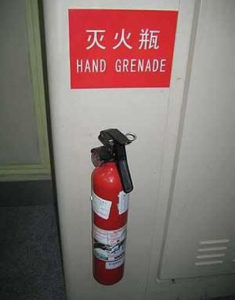
- Mistranslated signs can create confusion, humor, and communication problems
- Translation mistakes in public signs affect tourism and business reputation
- Accurate translation in signage improves communication for international visitors
- Shenzhen launched a campaign to correct mistranslations in public signs
- Professional translation services help prevent bad translations and language errors
Introduction
Anyone who has traveled to a foreign country is familiar with the mild amusement or sometimes confusion that comes from encountering mistranslated signs in public places. From menus and street signs to instruction manuals, translation mistakes are everywhere. These translation errors in signs often become viral online and are widely shared as funny examples of language problems.
Terms like Spanglish, Engrish, and Franglish describe these bad translations that appear in everyday communication. While they may seem humorous, they highlight serious issues in accurate translation and cross-cultural communication.
Many examples of mistranslation mistakes show how a simple error can completely change meaning, create confusion, or even affect a city’s image. Recognizing this issue, some countries have started taking action to improve translation accuracy in public signs.
Shenzhen’s Plan to Correct Mistranslation and Mistranslated Signs
Shenzhen, a major city in southern China, has launched a campaign to fix mistranslated signs across public areas. The city encourages citizens to report incorrect translated signs by submitting photos and documentation.
This initiative focuses on improving translation errors in public signs, especially in English, as Shenzhen aims to become a more international city.
Residents who report mistranslations in public signs receive rewards such as certificates, English learning materials, and training opportunities. This makes the campaign both educational and practical.
By involving the public, Shenzhen is actively improving accurate translation in signage while raising awareness about the importance of language quality in urban communication.
Benefits of Correcting Mistranslations in Public Signs
- Improves communication for tourists and residents
- Reduces confusion caused by bad translations
- Strengthens a city’s professional image
- Encourages accurate translation practices
- Helps businesses communicate clearly with global audiences
How Mistranslation Impact Tourism and Business
- Business impact: Clear and accurate signage promotes a professional image, encouraging tourism and business engagement in the city.
- Previous efforts: Other programs have been started across China to correct mistranslation errors, but they achieved varying degrees of success.
- Focus on Shenzhen: Officials are now concentrating on their city to ensure clearer signage and communication for residents and visitors.
- Tourism support: The initiative aims to benefit Shenzhen’s growing tourist trade, which sees over 7.8 million trips annually.
- Foreign population: Shenzhen also considers its permanent foreign population of more than 20,000 citizens, making accurate translations essential for daily life.
- Improved communication: Correcting translation mistakes helps prevent misunderstandings, enhancing the experience for international visitors.
These examples show how translation mistakes affect communication and why professional translation matters in international environments.
Related: 8 Misconceptions About Translation – Part II of II
Why Accurate Public Sign Translation Matters
Accurate public signage is essential for global communication. Even small translation mistakes in signs can lead to misunderstandings or confusion for international visitors.
Importance of Accurate Translation in Signage
Accurate translation in signage ensures that public messages are clear, professional, and easy to understand. While some bad translations may seem harmless, they can create confusion or embarrassment.
With global tourism increasing, the demand for accurate translation has become more important than ever. Cities that maintain high-quality signage improve their international reputation and visitor experience.
Real Examples of Bad Translations
A common example of mistranslated signs is when “Free-range chicken” is translated as “Chicken runs freely.” This type of translation error completely changes the meaning and confuses readers.
Such bad translations highlight why professional review is necessary for public communication. They also show how small mistakes can become widely shared examples of translation mistakes in signs.
FAQs
Q1: What is a mistranslation?
A1: A mistranslation is an error that occurs when text is incorrectly translated from one language to another. It changes the original meaning and can lead to confusion, misunderstanding, or incorrect interpretation.
Q2: What are mistranslated signs?
A2: Mistranslated signs are public signs such as street signs, menus, or instructions that contain translation errors. These mistakes often result in unclear or incorrect messages that can confuse readers.
Q3: What are examples of translation mistakes in signs?
A3: Common examples include incorrect word usage, literal translations that change meaning, or grammatical errors. For instance, translating “Free-range chicken” as “Chicken runs freely” is a typical example of a mistranslation in signage.
Q4: How do translation errors in signs affect communication?
A4: Translation errors in signs can confuse tourists, mislead readers, and create misunderstandings in public spaces. In business and tourism, these mistakes can also affect trust and reduce professionalism.
Conclusion
Mistranslated signs may seem funny, but they can create confusion and communication problems for tourists, businesses, and local communities. Accurate translation in public signage helps improve clarity, professionalism, and international communication.
Call to Action
Avoid translation mistakes in signs and improve global communication with expert support. Explore professional language solutions and high-quality translation services to ensure your message is accurate, clear, and culturally appropriate.
Related: Common Translation Mistakes| Examples and Ways to Avoid Them