



Table of Contents
Key Points
- Deaf West Theatre Spring Awakening redefined inclusive Broadway performance
- Spring Awakening Tony Awards appearance increased ASL visibility
- ASL performance enhances accessibility and storytelling
- Deaf West Theatre Spring Awakening cast integrated deaf and hearing actors
- The production influenced future accessible theatre initiatives
The Impact of Deaf West Theatre on Broadway
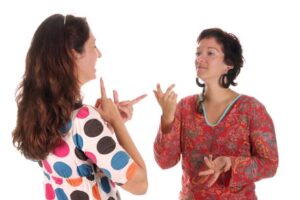
On June 12, 2016, the 70th annual Tony Awards captured the attention of nearly nine million viewers. While Hamilton dominated the evening with eleven awards, many critics and theatre professionals considered the Deaf West Theatre Spring Awakening performance the most groundbreaking moment of the night.
The revival of Spring Awakening integrated spring awakening ASL elements directly into the choreography and narrative. This innovative staging featured both deaf and hearing performers, transforming traditional Broadway musical performance standards.
Role of Deaf West Theatre
The Deaf West Theatre Spring Awakening revival returned to Broadway in 2015 after the original production closed in 2009. Directed by Michael Arden, the production strategically paired deaf actors with hearing counterparts who voiced dialogue and lyrics.
Innovative Casting and Inclusive Storytelling
The deaf west theatre spring awakening cast demonstrated how collaboration between deaf and hearing actors strengthens emotional depth and accessibility.
Key elements of this production included:
- Integrated ASL performance within choreography
- Dual casting approach combining signing and vocal performance
This structure elevated the concept of what is ASL performance in mainstream theatre and broadened representation on Broadway.
Spring Awakening at the Tony Awards
During the Spring Awakening Tony Awards performance, deaf actress Sandra Mae Frank portrayed Wendla Bergmann in ASL, while actress Katie Boeck provided the spoken dialogue. Their performance of “Mama Who Bore Me” became one of the most talked-about moments of the ceremony.
The cast also performed “The B*tch of Living.” Due to broadcast regulations, certain ASL signs required modification for network standards. Because ASL was embedded in choreography, these adjustments required coordinated changes across the ensemble.
Despite these challenges, the tony awards performance showcased how ASL can seamlessly function within musical theatre.
How ASL Enhances the Audience Experience in Live Theatre
The inclusion of spring awakening asl elements improved accessibility and artistic expression simultaneously. By integrating ASL into both dialogue and staging, Deaf West Theatre allowed deaf and hearing audiences to experience the production equally.
Accessibility and Representation in Broadway
The production highlighted:
- Greater accessibility in live theatre
- Expanded representation of deaf performers on Broadway
This model has influenced accessibility initiatives across musical theatre productions.
The Influence of Deaf West Theatre on Future Productions
The success of deaf west theatre spring awakening encouraged producers and directors to reconsider inclusive casting and bilingual staging. Today, more Broadway and regional productions incorporate:
- ASL interpretation in live performances
- Deaf actors in principal roles
This shift represents a significant advancement in inclusive theatre practices.
Did Spring Awakening Win Any Tony Awards?
While Spring Awakening Deaf West was nominated, it did not win a Tony Award in 2016. However, its impact on Broadway was undeniable, influencing future productions to embrace deaf culture and accessibility in theatre.
What is Deaf West Theatre?
Deaf West Theatre was founded in 1991 and has since been a leader in promoting deaf actors in Broadway and live theatre. By producing shows like Spring Awakening Deaf West, the company has brought awakening excellence to the industry, emphasizing the importance of inclusive storytelling.
Conclusion
The Spring Awakening Deaf West performance at the Tony Awards was a landmark moment for accessibility in theatre. By integrating American Sign Language, Deaf West Theatre proved that Broadway can be both inclusive and innovative.
What are your thoughts on Deaf West Theatre’s use of ASL in Spring Awakening? Have you seen any other productions featuring sign language? Let us know in the comments!
Call to Action
Interested in inclusive communication beyond the stage? Explore our Professional Interpretation Services and American Sign Language Interpretation Solutions to ensure accessibility at your conferences and live events.
Contact our team today to discuss how expert interpreters can support your multilingual or ASL performance needs.
Related: Sign Language Interpreting| Cultural Consideration is More Than a Simple Gesture
FAQs:
What is ASL performance in theatre?
An ASL performance integrates American Sign Language directly into dialogue, music, and choreography, allowing deaf and hearing audiences to experience the production simultaneously.
How did Deaf West Theatre influence Broadway?
By integrating ASL and inclusive casting, Deaf West Theatre reshaped accessibility standards and expanded representation in live theatre.
Did Spring Awakening win a Tony Award in 2016?
The Deaf West revival received nominations but did not win at the 2016 Tony Awards.
Why was the Spring Awakening Tony Awards performance significant?
It demonstrated how ASL can be incorporated into Broadway musicals at the highest level of recognition.