



Key Points:
- Introduction
- The Growing Diversity in Church Services
- Why Easter Church Services Are Different From Regular Services
- The Role of Religious Interpreters in Church Services
- The Risks of Using Untrained or Informal Interpreters
- Technology and Interpretation During Easter Services
- Planning Ahead for Easter Church Services
Table of Contents
Introduction
Easter Church Services are among the most significant religious gatherings of the year. Churches experience their highest attendance during Easter, welcoming diverse congregations that include immigrants, international visitors, multilingual families, and individuals with limited English proficiency. These services are not just routine gatherings; they represent the core message of Christianity, focusing on resurrection, hope, faith, and renewal. Because of their spiritual importance, Easter Church Services require clear, accurate, and culturally respectful communication. Language barriers during such sacred moments can create confusion, exclusion, and misinterpretation of religious teachings. This is why the demand for certified religious interpreters continues to grow. Professional interpreters ensure that every worshipper, regardless of language, can fully understand and participate without losing the spiritual meaning of the message.
The Growing Diversity in Church Services
Church Services today reflect the growing linguistic and cultural diversity of communities throughout the United States. Many churches serve congregations that speak multiple languages, including Spanish, Arabic, Mandarin, Korean, Vietnamese, French, and many others. Easter often attracts individuals who may not attend Church Services regularly but come specifically for this sacred occasion. This results in congregations that are even more linguistically diverse than usual. Without professional interpretation, these worshippers may miss key theological messages, misunderstand scripture, or feel excluded from the worship experience. Certified religious interpreters help ensure that communicate the same spiritual meaning to all attendees, fostering a sense of belonging and shared faith within diverse congregations.
Why Easter Church Services Are Different From Regular Services
Easter Church Services are more complex than standard weekly services. They often include longer sermons, special scripture readings, musical performances, baptisms, communion, and large community gatherings. These elements increase the amount of spoken content that must be interpreted accurately. In addition, Easter messages often focus on theological concepts such as resurrection, redemption, sacrifice, and eternal life. These concepts require precise interpretation, as small errors can significantly alter the intended meaning. Religious interpreters must understand not only language but also theology and religious traditions.
• Extended sermons and readings
• Higher emotional and spiritual sensitivity
• Theological terminology requiring precision
Certified religious interpreters are trained to handle this complexity, ensuring the spiritual integrity of Easter Church Services remains intact.
The Role of Religious Interpreters in Church Services
Religious interpreters are responsible for more than simply converting words from one language to another. Their role is to convey meaning, tone, emotion, and spiritual intent while remaining faithful to the original message. During Easter Church Services, they must accurately communicate sermons, prayers, scripture readings, and announcements in real time. They must also maintain neutrality and respect the sacred nature of the service. Certified religious interpreters understand church traditions, religious vocabulary, and theological concepts, allowing them to interpret messages clearly and respectfully. Their presence ensures that multilingual worshippers can engage fully in Easter Church Services without confusion or misunderstanding.
Why Certified Interpreters Are Essential
Not all interpreters are qualified to handle religious content. Certified interpreters undergo professional training, testing, and ethical instruction to ensure accuracy and confidentiality. Certification demonstrates that an interpreter meets recognized standards of competence. In religious settings, certification is especially important because they can handle sacred texts, sensitive spiritual discussions, and personal faith-related information. Errors or misinterpretations can lead to theological misunderstandings or emotional distress.
• Certification ensures linguistic accuracy
• Ethical standards protect confidentiality
• Professional training supports complex interpretation
Certified interpreters provide reliability and trust, which are essential for Easter Church Services.
The Risks of Using Untrained or Informal Interpreters

Some churches rely on bilingual volunteers or family members to interpret Church Services. While well-intentioned, this approach carries significant risks, especially during Easter. Untrained interpreters may lack vocabulary for religious terminology, struggle with complex sentence structures, or unintentionally omit key details. They may also filter messages based on personal beliefs, altering the intended meaning of sermons or prayers.
• Incomplete or inaccurate interpretation
• Loss of theological meaning
• Emotional and spiritual misunderstandings
Using certified religious interpreters helps churches avoid these risks and ensures that messages are delivered faithfully.
Cultural Sensitivity in Easter Church Services
Easter is celebrated differently across cultures, with varying symbols, traditions, and expressions of faith. Religious interpreters must understand these cultural differences to ensure messages resonate appropriately with diverse audiences. Certified interpreters are trained to recognize cultural nuances and adapt communication while preserving the original meaning. This cultural sensitivity enhances the worship experience and prevents misunderstandings or offense. During Easter Church Services, cultural competence plays a vital role in meaningful and respectful communication.
Supporting Accessibility and Inclusion
Language access is a key element of accessibility. Many churches aim to create inclusive environments where everyone can participate fully in worship, regardless of language ability. Easter Church Services provide an opportunity to demonstrate this commitment. By offering certified interpreters, it ensure that individuals with limited English proficiency have equal access to sermons, prayers, and religious teachings. This approach strengthens community bonds and reflects the core values of compassion and unity represents.
Technology and Interpretation During Easter Services
Many churches now use technology to support interpretation, including headsets, microphones, and remote interpreting platforms. While technology can enhance accessibility, it must be paired with skilled interpreters to be effective. Certified interpreters are trained to work with interpreting equipment and adapt to different service formats, including in-person, hybrid, and live-streamed Easter Church Services.
• Use of interpretation equipment
• Support for virtual and hybrid services
• Professional coordination with church staff
Technology enhances interpretation, but expertise ensures accuracy and clarity.
Planning Ahead for Easter Church Services
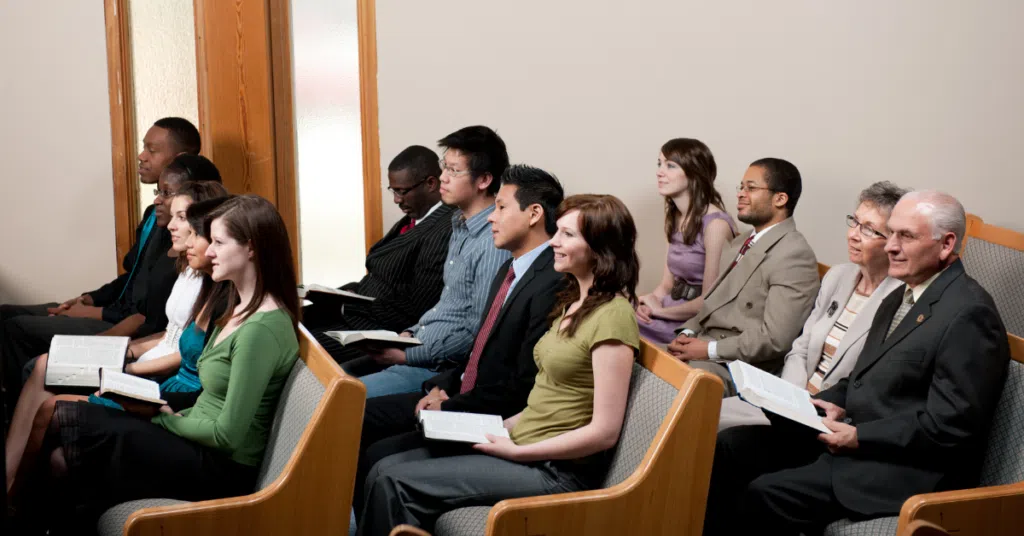
Successful interpretation during Easter requires early planning and coordination. Churches should assess language needs well in advance, schedule certified religious interpreters early, and provide interpreters with service materials. Preparation allows them to familiarize themselves with sermon themes, scripture passages, and special ceremonies. This preparation results in smoother interpretation, fewer disruptions, and a more meaningful worship experience for all attendees. Planning ahead ensures that Easter Church Services run smoothly and inclusively.
The Long-Term Benefits of Professional Interpretation
Providing certified interpreters for Easter Church Services offers long-term benefits beyond the holiday itself. Congregants who feel included and understood are more likely to return, participate regularly, and engage. Professional interpretation strengthens trust between church leadership and multilingual members. Over time, consistent language access supports community growth and reinforces the church’s mission of inclusivity and outreach.
Frequently Asked Questions
Q1: Why are certified religious interpreters important for Easter Church Services?
A1: Certified religious interpreters ensure that sermons, scripture readings, prayers, and announcements are accurately conveyed without losing theological meaning or spiritual intent. Easter messages are deeply symbolic and central to Christian belief, so precise interpretation is essential to avoid misunderstandings.
Q2: Can bilingual church members serve as interpreters during Easter services?
A2: No. Bilingual ability alone is not enough to accurately interpret complex religious messages delivered during Easter Church Services.
Q3: What languages typically require interpretation during Easter Church Services in the U.S.?
A3: Many churches require interpretation for languages such as Spanish, Arabic and other commonly spoken languages within their communities. The specific languages depend on the congregation’s demographics, which often become more diverse during Easter due to higher attendance and visiting worshippers.
Q4: Do Easter Church Services legally require certified interpreters?
A4: Churches are not always legally required to provide interpretation; however, those receiving public funding, serving community programs, or prioritizing accessibility often choose to do so.
Q5: How can churches prepare for interpretation during Easter services?
A5: Churches should plan early by identifying language needs, booking certified religious interpreters in advance, and sharing sermon outlines or scripture passages ahead of time.
Call to Action
Easter Church Services deserve clear, accurate, and respectful communication. If your church serves a multilingual congregation, professional interpretation is essential. Translation Excellence provides certified religious interpreters who understand faith-based language, cultural sensitivity, and the importance of spiritual accuracy. Partner with us to ensure your Easter Church Services are inclusive, meaningful, and accessible to all worshippers.
Conclusion
Easter Church Services represent a sacred moment of reflection, faith, and renewal. As congregations become more diverse, the need for certified religious interpreters continues to grow. Professional interpreters ensure that sermons, prayers, and religious teachings are delivered accurately and respectfully across languages. They support accessibility, cultural understanding, and spiritual inclusion. By investing in certified interpreters, churches uphold their commitment to unity, compassion, and shared faith. Easter is a time for bringing people together, and language should never be a barrier to worship.
Related: How New Year 2026 Events Will Shape U.S. Language Access
Related: Christmas Marketing: Why Localization Beats AI Tools