


Key Points:
- Introduction: Graduation Season and the Accessibility Gap
- Understanding ADA Captioning Requirements in Educational Settings
- Why Graduation Ceremonies Require Special Accessibility Attention
- Common Reasons Schools Fail to Provide ADA Captioning
- The Legal Risks Schools Face During Graduation Season
- Why Automated Captioning Often Falls Short of ADA Standards
- Best Practices for Providing ADA Captioning at Graduation Events
- The Role of Policy and Training in Preventing Accessibility Failures
Table of Contents
Introduction: Graduation Season and the Accessibility Gap
Graduation season is a milestone moment for students, families, and educational institutions across the United States. It represents achievement, inclusion, and the successful completion of years of academic effort. Schools invest significant resources into planning ceremonies that reflect pride, tradition, and institutional values. However, beneath the celebration lies a persistent accessibility issue that continues to affect students, families, and community members with disabilities. Many schools fail to provide proper ADA captioning during graduation events, leaving deaf and hard-of-hearing individuals excluded from full participation. Despite clear requirements under the Americans with Disabilities Act (ADA), accessibility is often treated as an afterthought rather than a legal and ethical responsibility. Graduation ceremonies frequently involve speeches, announcements, music, and names being read aloud, all of which rely heavily on auditory communication. When captioning is missing or poorly implemented, individuals who rely on visual access are denied equal opportunity to engage. This failure not only undermines inclusivity but also exposes schools to legal risk. Graduation season should celebrate equality and achievement, yet accessibility gaps continue to highlight systemic shortcomings in compliance and planning.
Understanding ADA Captioning Requirements in Educational Settings
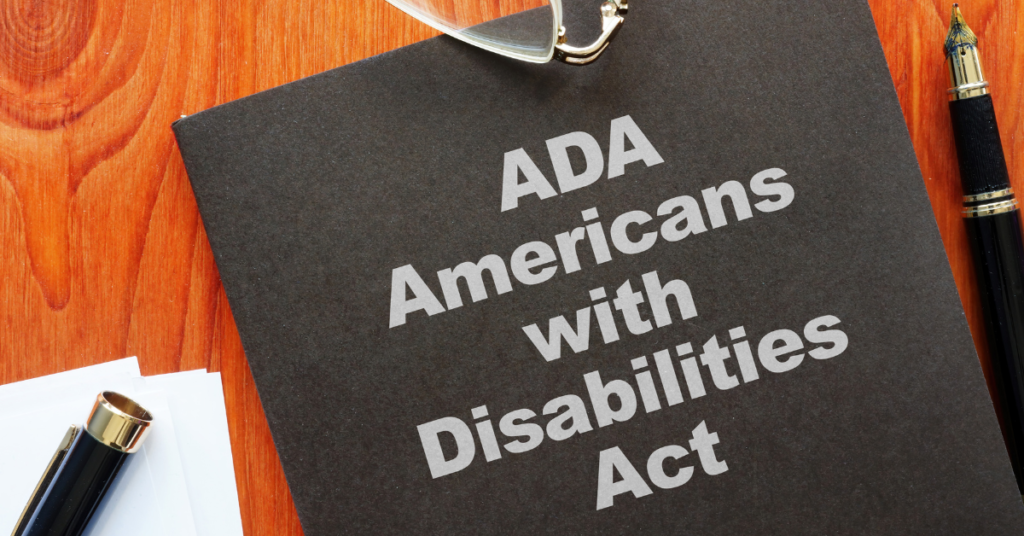
The Americans with Disabilities Act (ADA) establishes clear expectations for accessibility in public spaces, including schools and universities. Under the ADA, educational institutions are required to provide effective communication for individuals with disabilities. This includes auxiliary aids and services such as real-time captioning for live events. ADA captioning is not optional or conditional; it is a legal requirement designed to ensure equal access to information. Graduation ceremonies qualify as public events because they are open to students, families, faculty, and the broader community. Schools are therefore obligated to ensure that communication during these events is accessible to individuals with hearing disabilities. Captioning allows spoken content to be displayed as text in real time, enabling full participation. In addition, ADA compliance applies to both in-person and live-streamed graduation events, as digital access is also considered public communication. Schools must ensure that captioning is accurate, timely, and clearly visible throughout the ceremony. Relying solely on automated captions often fails to meet these standards due to errors and delays. Despite this clarity, many schools misunderstand or misinterpret their obligations. When schools fail to provide proper captioning, they are not just overlooking best practices; they are violating federal law. Understanding these requirements is the first step toward closing the accessibility gap during graduation season.
Why Graduation Ceremonies Require Special Accessibility Attention
Graduation ceremonies differ from regular classroom activities in both scale and significance. These events are often large, emotionally charged, and fast-paced, with multiple speakers and time-sensitive announcements. Students’ names are read once, speeches are delivered live, and important instructions are communicated in real time. For individuals who are deaf or hard of hearing, missing even a few moments can result in losing critical information or emotional context. Graduation is not just ceremonial; it marks a public acknowledgment of achievement and identity. When schools fail to provide ADA captioning, they effectively silence access to this milestone. Family members who rely on captioning may miss hearing their child’s name, a keynote address, or important closing remarks. The emotional impact of this exclusion can be profound and lasting. Graduation ceremonies are also highly visible events that reflect an institution’s values. Accessibility failures during such moments send a message that inclusion is secondary. Given the importance of graduation season, schools have a heightened responsibility to ensure that communication access is seamless, reliable, and respectful.
Common Reasons Schools Fail to Provide ADA Captioning
- Lack of Awareness and Training:
Many schools lack proper training for event planners and administrative staff, resulting in a limited understanding of ADA captioning requirements and legal obligations.
- Accessibility Handled as an Afterthought:
Accessibility is often assigned to general administrative teams instead of trained accessibility coordinators, causing it to be overlooked during early event planning stages.
- Budget Misconceptions:
Schools frequently treat captioning services as an optional or extra expense rather than a mandatory ADA accommodation, leading to cost-cutting decisions that exclude professional services.
- Late-Stage Planning Issues:
Graduation ceremonies involve complex logistics, and accessibility needs are sometimes addressed too late to arrange qualified real-time captioning providers.
- Over-Reliance on Automated Captioning:
Some institutions rely on automated captioning tools without understanding their limitations, especially during live events with diverse speakers and specialized terminology.
- Accuracy Challenges in Live Settings:
Automated systems often struggle with proper names, accents, technical languages, and emotional speech patterns, resulting in delayed or inaccurate captions.
- Non-Compliance Due to Poor Caption Quality:
Inaccurate or delayed captions fail to meet ADA standards for effective communication, making them legally insufficient.
- Lack of Accountability and Follow-Up:
Accessibility failures frequently go unreported or are not formally reviewed, allowing the same issues to repeat year after year without corrective action.
- Systemic Planning Gaps:
These combined issues create systemic accessibility failures that explain why schools fall short, even though legal requirements are well established.
The Legal Risks Schools Face During Graduation Season
Failing to provide required ADA captioning exposes schools to significant legal and reputational risks. Under the Americans with Disabilities Act, individuals who are denied effective communication have the right to file complaints or pursue legal action. Graduation ceremonies are public-facing events, making accessibility failures highly visible and more likely to attract scrutiny. Complaints can be filed with the Department of Justice or state civil rights agencies, leading to investigations, fines, or mandatory corrective actions. In addition to legal consequences, schools risk reputational damage. Accessibility failures during graduation season often gain attention from advocacy groups and media outlets. This negative exposure can harm an institution’s public image and erode trust among students and families. Legal settlements related to ADA violations can also result in long-term financial costs, including mandated accessibility programs and monitoring. Proactively providing ADA captioning is far less costly than responding to complaints after the fact. Schools that ignore these risks are not only failing their communities but also jeopardizing their institutional integrity.
Impact on Students and Families When Captioning Is Absent
The absence of ADA captioning during graduation ceremonies has real human consequences. Deaf and hard-of-hearing students may feel excluded from their own achievements, unable to fully experience a moment meant to honor them. Families who rely on captioning may miss essential parts of the ceremony, including personal recognitions and shared moments of pride. This exclusion can create feelings of isolation and frustration during what should be a joyful occasion. Graduation is often a once-in-a-lifetime event, and accessibility failures cannot be undone. Beyond emotional impact, the lack of captioning reinforces broader inequities within educational systems. It sends a message that accessibility needs are secondary to convenience. For students who have navigated years of accommodations and advocacy, encountering barriers at graduation can feel like a betrayal. Schools have a responsibility to ensure that all participants can engage equally, especially during milestone events that symbolize inclusion and success.
Why Automated Captioning Often Falls Short of ADA Standards
Some schools attempt to meet ADA requirements by using automated captioning tools, assuming that technology alone is sufficient. While automation has improved, it often fails to meet the accuracy and reliability standards required for effective communication. Graduation ceremonies involve unique challenges such as proper names, diverse accents, background noise, and emotional speech patterns. Automated systems frequently interpret these elements, producing captions that are confusing or incorrect. ADA captioning standards emphasize effectiveness, not just availability. Captions must be accurate, timely, and understandable. Delayed or error-filled captions do not provide equal access. In many cases, automated captions may actually create additional barriers by misleading viewers. Professional real-time captioning, provided by trained captioners, ensures clarity and compliance. Relying solely on automation reflects a misunderstanding of ADA requirements and exposes schools to compliance risks. Technology can support accessibility, but it cannot replace professional oversight when legal standards are involved.
Graduation Season as a Test of Institutional Commitment to Accessibility
Graduation season serves as a powerful test of how seriously schools take accessibility. Institutions that prioritize inclusion plan for ADA captioning early and integrate it seamlessly into event logistics. Those that fail to do so reveal gaps in policy, training, and leadership commitment. Accessibility should not be reactive or symbolic; it must be embedded into institutional culture. Graduation ceremonies are highly symbolic events that reflect a school’s values. Providing proper captioning demonstrates respect for diversity and equal access. Conversely, failing to provide captioning undermines claims of inclusivity. Schools that consistently fall short risk alienating students, families, and communities. Graduation season should highlight achievement and belonging, not exclusion. Institutions that rise to this challenge set a standard for accessible communication across all events.
Best Practices for Providing ADA Captioning at Graduation Events
- Plan Accessibility Early:
ADA captioning should be considered at the very beginning of graduation planning, alongside venue selection, audiovisual setup, and event scheduling.
- Treat Accessibility as a Core Requirement:
Captioning must be integrated into the main event plan, not added as a last-minute accommodation.
- Work With Professional Captioning Providers:
Schools should partner with experienced real-time captioning providers who specialize in live events and understand ADA compliance standards.
- Ensure Caption Visibility:
Captions must be clearly visible to in-person attendees and properly embedded into livestreams or recorded broadcasts.
- Coordinate With Captioners in Advance:
Sharing speaker lists, names, scripts, and technical terms helps captioners deliver more accurate and reliable results.
- Test All Systems Before the Event:
Running full technical rehearsals reduces the risk of captioning failures during the ceremony.
- Integrate Captioning Into Streaming Platforms:
For virtual or hybrid graduations, captions should be fully compatible with the chosen streaming technology.
- Communicate Accessibility Options Clearly:
Schools should inform students, families, and guests in advance about available accessibility accommodations.
- Improve Overall Event Quality:
Thoughtful accessibility planning enhances clarity, inclusivity, and professionalism for all attendees—not just those who rely on captions.
- Create an Inclusive Graduation Experience:
When accessibility is planned intentionally, graduation ceremonies become more welcoming and meaningful for everyone involved.
The Role of Policy and Training in Preventing Accessibility Failures

Long-term solutions to ADA captioning failures require institutional policy and training. Schools must establish clear accessibility guidelines for public events, including graduation ceremonies. Event planners, administrators, and audiovisual staff should receive training on ADA requirements and effective communication standards. Accessibility should be assigned clear responsibility rather than being treated as a shared afterthought. Policies should mandate professional captioning for qualifying events and outline procedures for implementation. Regular audits and feedback mechanisms can help identify gaps before they become public failures. By embedding accessibility into policy, schools reduce reliance on individual awareness and ensure consistency. Graduation season then becomes an opportunity to demonstrate compliance rather than expose weaknesses.
Common Accessibility Mistakes Schools Should Avoid
Many accessibility failures during graduation season are preventable. One common mistake is assuming that no requests mean no need for captioning. ADA obligations are proactive, not request-based. Another error is relying on last-minute solutions that compromise quality. Schools also sometimes underestimate the complexity of live captioning, leading to poor implementation. Failing to test systems or coordinate with captioners increases the risk of failure. Ignoring feedback from past events allows problems to repeat. Avoiding these mistakes requires planning, awareness, and accountability. Schools that learn from past failures can significantly improve accessibility outcomes.
FAQs
Q1: Are schools legally required to provide ADA captioning at graduation ceremonies?
A1: Yes, graduation ceremonies are public events, and under the Americans with Disabilities Act, schools must provide effective communication, including captioning when necessary.
Q2: Is automated captioning sufficient for ADA compliance?
A2: Automated captioning often lacks the accuracy and reliability required for ADA compliance, especially during live events like graduations.
Q3: Who is responsible for arranging captioning at school graduations?
A3: The educational institution is responsible for ensuring accessibility, regardless of whether the event is on campus or off-site.
Q4: What happens if a school fails to provide required ADA captioning?
A4: Schools may face complaints, legal action, fines, and reputational damage for failing to comply with ADA requirements.
Q5: How early should schools plan for graduation captioning?
A5: Accessibility planning should begin as early as possible, ideally alongside initial event planning, to ensure proper implementation.
Conclusion
Graduation season is meant to celebrate achievement, inclusion, and shared success. When schools fail to provide required ADA captioning, they undermine these values and exclude members of their community. The Americans with Disabilities Act sets clear expectations for accessibility, and graduation ceremonies fall squarely within its scope. Accessibility failures are not merely technical oversights; they reflect systemic gaps in awareness, planning, and accountability. By prioritizing ADA captioning, schools can ensure that graduation ceremonies are truly inclusive and legally compliant. Accessibility is not an optional enhancement; it is a fundamental right. As expectations grow, institutions must rise to meet them. Graduation season should be a moment of unity, not exclusion.
Call to Action
Graduation season is approaching, and accessibility cannot be left to chance. We supports schools and institutions with professional, reliable ADA captioning services designed for live events and public ceremonies. Our experienced captioning professionals ensure accurate, real-time communication that meets legal standards and supports inclusive celebrations. Partner with Translation Excellence to deliver graduation ceremonies that honor every student, every family, and every voice—without compromise.