

Key Points:
- Introduction
- Understanding UN Week and Its Global Significance
- Why Global Events Drive Translation Demand in the U.S.
- The Role of the United States as a Global Communication Hub
- Government Communication and Translation During UN Week
- Nonprofit and Humanitarian Organizations and Translation Needs
- The Growing Importance of Multilingual Accessibility
Table of Contents
Introduction
Every year, UN Week brings global leaders, diplomats, policymakers, humanitarian organizations, and international media together in the United States, particularly in New York. While the focus is often on diplomacy, climate action, security, human rights, and cooperation, an important but less visible impact occurs behind the scenes. UN Week significantly increases the demand for translation services across the United States. Global events like this create a surge in multilingual communication needs, affecting government agencies, international organizations, media outlets, nonprofits, and private institutions. It is not just a diplomatic gathering; it is a communication-intensive. As countries present policies, sign agreements, release reports, and address international audiences, language becomes a critical tool. Translation ensures messages are accurate, accessible, and legally sound. This blog explains how UN Week and similar global events directly influence U.S. translation demand, why this demand continues to grow, and how global communication trends shape the language industry nationwide.
Understanding UN Week and Its Global Significance
It refers to the series of high-level meetings held annually around the opening of the United Nations General Assembly. Delegations from nearly every country travel to the United States, bringing together dozens of languages, cultures, and political systems. Discussions during UN Week cover global crises, economic development, environmental policy, public health, education, migration, and international law. These discussions do not remain within conference rooms. Statements, agreements, policy documents, press releases, and official communications must be shared with governments, organizations, and citizens worldwide. Because the United States hosts these events, a significant portion of translation activity takes place within the U.S., increasing demand across public and private sectors.
Why Global Events Drive Translation Demand in the U.S.
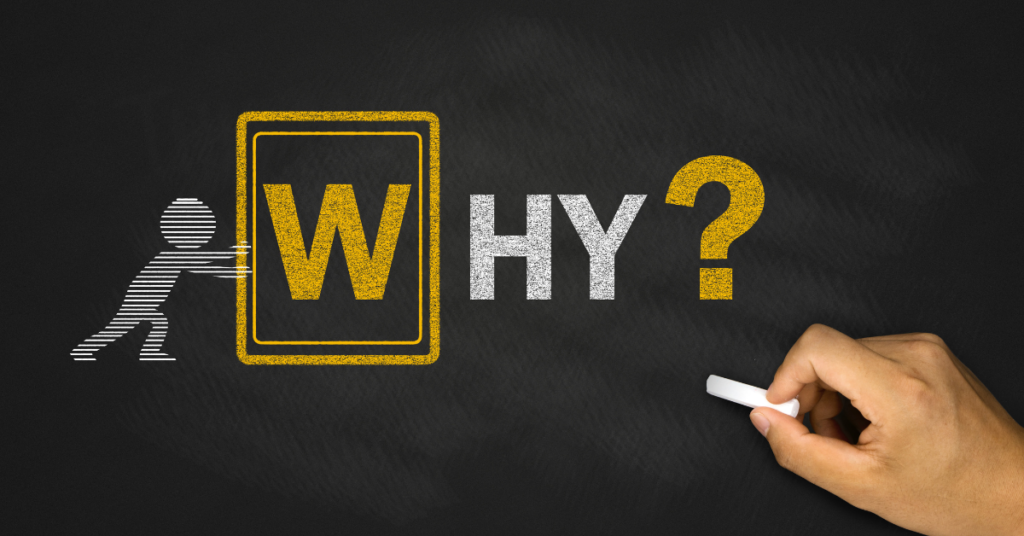
Global events create immediate and high-volume communication needs. During UN Week, information must be translated quickly and accurately to meet international standards. This affects translation demand in several key ways. First, the volume of content increases dramatically. Speeches, resolutions, policy drafts, legal agreements, and briefing documents must be translated into multiple languages. These materials often require specialized knowledge, particularly in legal, political, and technical language. Second, timing becomes critical. It operates on tight schedules. Translations are often needed within hours rather than days. This urgency drives higher demand for professional translation services capable of handling time-sensitive material. Third, accuracy is non-negotiable. Errors in translation can lead to diplomatic misunderstandings, legal disputes, or reputational damage. As a result, organizations rely heavily on experienced human translators rather than automated tools.
The Role of the United States as a Global Communication Hub
Because the United Nations is headquartered in the United States, the country functions as a central hub for international communication. This position directly influences domestic translation demand. U.S.-based institutions, including federal agencies, think tanks, universities, advocacy groups, and international NGOs, must prepare multilingual materials. Many of these organizations operate year-round, but their needs spike significantly during UN Week. Media organizations also play a role. International press coverage requires translation of speeches, interviews, reports, and official statements. U.S. media outlets serving global audiences must translate content both into and out of English, expanding the demand for professional language services.
Long-Term Influence Beyond UN Week
Although UN Week is a concentrated event, its impact on translation demand extends beyond a single week. Agreements signed, policies announced, and initiatives launched require ongoing communication and documentation. Follow-up reports, implementation guidelines, and international collaboration continue to generate translation needs for months afterward. This sustained demand demonstrates how global events shape long-term trends in the U.S. translation industry.
Government Communication and Translation During UN Week
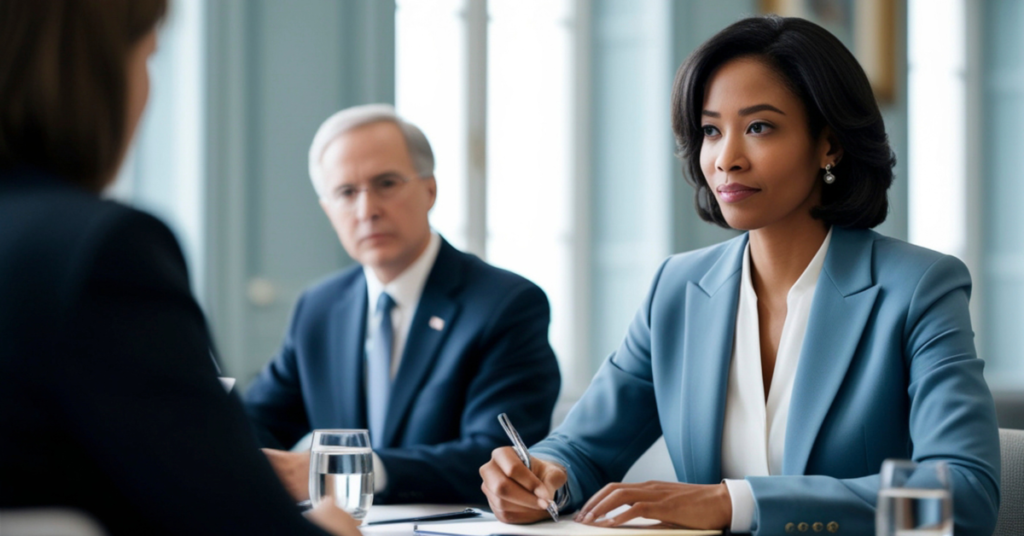
Government agencies experience a noticeable increase in translation demand. U.S. departments involved in foreign policy, trade, security, and international cooperation must communicate with foreign counterparts and the public. Official statements released during UN Week often require translation into multiple languages for international distribution. Similarly, foreign governments issue statements that must be translated into English for U.S. officials, analysts, and media outlets. Additionally, compliance with language access requirements adds to demand. Government communications intended for the public must be accessible to individuals with limited English proficiency. When global events increase the volume of public-facing content, it becomes essential for transparency and inclusion.
Related: Government Shutdown Impact on the Language Industry
Diplomatic Language and the Need for Precision
Diplomatic language is highly nuanced. During UN Week, every word carries weight. Translation in this context is not simply about converting text from one language to another; it is about preserving intent, tone, and legal meaning. Small errors can change the interpretation of commitments, responsibilities, or policy positions. This level of precision requires professional translators with expertise in international relations and political terminology. As UN Week intensifies diplomatic activity, the demand for such specialized translation expertise rises across the U.S.
Legal and Policy Documents Increase Translation Volume
Many legal and policy documents are drafted, reviewed, or announced during UN Week. These include treaties, resolutions, policy frameworks, and international agreements. Each document often exists in multiple language versions, all of which must be equally authoritative. In the United States, legal professionals, international organizations, and regulatory bodies rely on accurate translations to analyze and implement these documents. This creates a ripple effect, increasing translation demand well beyond the duration of UN Week itself.
Nonprofit and Humanitarian Organizations and Translation Needs
UN Week attracts thousands of nonprofit and humanitarian organizations focused on global issues. These organizations engage with international partners, donors, governments, and communities. To effectively communicate their missions, they must translate reports, proposals, educational materials, and advocacy content. Many nonprofits operate from U.S. offices, making the domestic translation industry a key support system. As humanitarian discussions intensify during UN Week, it demand grows to ensure messages reach diverse audiences and support global collaboration.
- Academic Institutions and Research Translation
Universities and research institutions in the United States are deeply involved in global policy discussions. Academic papers, research findings, policy briefs, and conference materials often need translation. Scholars participate in panels, publish multilingual research, and collaborate internationally. This academic engagement contributes to sustained translation demand, particularly for specialized and technical content.
- Media Coverage and Multilingual Reporting
It generates extensive media coverage. International journalists report in multiple languages, and U.S. media outlets serve global audiences. It supports news reporting by enabling accurate coverage of speeches, interviews, and official statements. Media organizations depend on translation to ensure credibility and clarity when reporting. The constant flow of information during UN Week places additional pressure on translation services, particularly those capable of handling real-time or near-real-time demands.
- Technology, Speed, and the Limits of Automation
While technology supports translation workflows, global events like UN Week highlight the limits of automated tools. High-stakes content demands human oversight. The need for precision, cultural sensitivity, and contextual understanding reinforces reliance on professional translators. This reality further increases demand for skilled translation professionals in the U.S., especially during periods of intense global activity.
- Economic Impact on the U.S. Language Industry
The surge in translation demand during UN Week has economic implications for the U.S. language industry. Translation agencies, freelance translators, editors, and linguistic consultants experience increased workloads. This demand supports job growth, specialization, and investment in language services. It also highlights the strategic importance as part of the broader global economy.
The Growing Importance of Multilingual Accessibility
Global events also raise awareness about accessibility. International communication must reach diverse populations, including those with limited English proficiency. As organizations prioritize inclusive communication, translation becomes central to accessibility efforts. UN Week reinforces expectations for multilingual access, influencing how U.S. institutions approach communication year-round.
Cultural Sensitivity and Global Messaging
Cultural sensitivity is essential during global events. Messages must be adapted to different cultural contexts to avoid misunderstanding or offense. Professional translation ensures cultural nuance is respected. This need becomes especially visible during UN Week, when messages are scrutinized by international audiences. As a result, demand increases for translators who understand both language and culture.
Frequently Asked Questions (FAQs)
Q1: Why does UN Week increase translation demand in the United States?
A1: UN Week brings global leaders and organizations to the U.S., creating a surge in multilingual speeches, documents, media content, and official communications that require accurate translation.
Q2: What types of content require translation during UN Week?
A2: Speeches, policy documents, legal agreements, press releases, research reports, and public statements all require professional translation.
Q3: Are AI translation tools sufficient for UN Week communications?
A3: No. High-stakes diplomatic and legal content requires human expertise to ensure accuracy, cultural sensitivity, and correct interpretation.
Q4: Which industries in the U.S. rely most on translation during UN Week?
A4: Government agencies, nonprofits, humanitarian organizations, media outlets, academic institutions, and international businesses rely heavily on translation services.
Q5: Does translation demand continue after UN Week ends?
A5: Yes. Follow-up reports, policy implementation documents, and ongoing international collaboration continue to drive translation needs long after UN Week concludes.
Call to Action
Global events like UN Week demand precise, timely, and culturally accurate communication. If your organization needs reliable translation support for diplomatic content, policy documents, media communication, or multilingual outreach, Translation Excellence is here to help. Our professional translators ensure accuracy, confidentiality, and clarity across languages during high-stakes global events. Partner with us to communicate confidently with the world.
Conclusion
UN Week demonstrates how global events directly influence translation demand in the United States. As a host nation and global communication hub, the U.S. experiences increased need for accurate, timely, and culturally sensitive translation services. Government agencies, nonprofits, media outlets, academic institutions, and private organizations all depend on translation to engage effectively with international audiences. The intensity, scale, and significance of UN Week highlight the essential role of translation in global communication. It is not merely a support service but a foundational element of diplomacy, policy, and international cooperation. As global events continue to shape communication needs, it demand in the U.S. will remain strong, driven by the need for clarity, accuracy, and inclusion.
Related: How Certified Translation Services Boost Global Business Expansion