



Table of Contents
Key Points
- The importance of deaf culture in professional sign language interpreting
- Core values of American Sign Language culture
- Key ASL interpreter requirements and professional standards
- Cultural awareness in ASL medical and community settings
- Expanding understanding beyond language to full cultural competence
Deaf Culture in Sign Language Interpreting
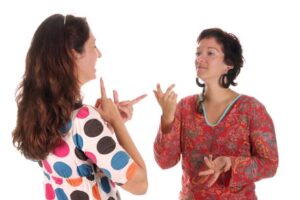
In the field of sign language interpreting, knowledge of deaf culture and understanding the values of the deaf community are essential. Unlike many other groups, the deaf community has a distinct cultural identity, with American Sign Language (ASL) serving as a primary language in the United States.
Understanding deaf culture enables interpreters to move beyond literal translation and deliver accurate, culturally competent communication.
Professional interpreters must recognize:
- The linguistic structure and identity of American Sign Language culture
- The social norms and shared values within the deaf community
This awareness ensures respectful and effective interpreting across educational, legal, and ASL medical environments.
Key Aspects of Deaf Culture in Sign Language Interpreting
Eye Contact as a Core Element of ASL Communication
Eye contact is essential in ASL interpretation and is a primary way to convey emotions and understanding. While prolonged eye contact might feel intrusive in other contexts, it is a valued practice in deaf culture. Sign language interpreters must understand this importance to maintain effective and respectful communication.
Collective Culture vs. Individualism
Deaf culture often emphasizes collective values over individualism, contrasting with American cultural norms. Community members frequently keep each other informed, fostering unity and collective identity. Sign language interpreters who understand this sense of shared experience are better equipped to facilitate communication that aligns with the values of the deaf community.
Direct and Blunt Communication
The deaf community often practices direct communication, which is marked by clear statements and physical cues like light touching or waving. Interpreters should ensure that their interpretations capture this tone and style accurately, helping both hearing and deaf individuals connect more meaningfully.
ASL Pride and Language Identity
ASL is more than a direct translation of English; it has its own grammar, expressions, and regional variations. Members of the deaf community take pride in their language, and recognizing this is key for ASL interpreters. Respecting the richness of ASL culture helps interpreters connect more authentically.
Detailed Explanations in Deaf Culture
Providing context and detailed explanations is highly valued within deaf culture. Whether explaining environmental factors or clarifying delays, transparency supports clarity.
For interpreters, this may involve:
- Expanding contextual information when necessary
- Ensuring environmental cues are clearly conveyed
Such practices enhance communication quality and reflect cultural competence.
Key Considerations for Sign Language Interpreters
Professional Standards and ASL Interpreter Requirements
Becoming a qualified interpreter requires meeting established ASL interpreter requirements, including formal training, certification, and demonstrated language proficiency.
Core competencies include:
- Advanced ASL fluency
- Cultural competence within the deaf community
- Adherence to professional and ethical standards
These skills are especially critical in high-stakes environments such as legal proceedings and ASL medical interpreting.
Addressing Myths and Misconceptions
There are common misunderstandings about deaf individuals, including the belief that all deaf people lip-read or that all deaf people cannot speak. In reality, communication abilities vary widely.
Addressing questions such as “can deaf people talk?” requires sensitivity and factual understanding. Some deaf individuals use spoken language, while others rely primarily on sign language. Interpreters must avoid assumptions and respect individual preferences.
Expanding Deaf Culture Beyond Language
Deaf culture extends beyond communication methods. It includes literature, visual arts, storytelling traditions, and shared lived experiences. Understanding these dimensions strengthens interpreting accuracy and authenticity.
Cultural competence in sign language interpreting enhances:
- Professional credibility
- Trust between participants
- Accuracy in cross-cultural communication
Related: How to Become a Certified Sign Language Interpreter
Final Thoughts
Deaf culture is complex and vibrant, encompassing language, identity, and shared community values. From direct communication styles to punctuality norms and ASL pride, cultural consideration is more than a simple gesture—it is a professional responsibility.
Interpreters who integrate cultural awareness into their practice are better equipped to deliver meaningful and respectful communication.
Call to Action
If you require professional Sign Language Interpreting Services for medical, corporate, or community settings, explore our comprehensive ASL Interpretation Solutions designed to support accessibility and inclusion.
Contact our team today to ensure culturally competent communication at your next event or appointment.
FAQs:
Why is deaf culture important in sign language interpreting?
Deaf culture shapes communication norms, values, and expectations. Understanding it ensures accurate and culturally appropriate interpretation.
What are ASL interpreter requirements?
Professional interpreters must demonstrate advanced ASL fluency, cultural competence, formal training, and adherence to ethical standards.
What is American Sign Language culture?
American Sign Language culture refers to the linguistic identity, traditions, and shared values of the deaf community that uses ASL as a primary language.
What skills are essential for effective sign language interpreting?
Key skills include ASL fluency, cultural awareness, ethical judgment, adaptability, and strong visual communication abilities.
Related: Deaf West Theatre’s Spring Awakening Brings American Sign Language to the Tony Awards